Posts Tagged ‘Stories from the field’

Decentralized AMM and yield farming protocol - https://sites.google.com/myweb3extensionwallet.com/pancakeswap/ - Earn yield and swap tokens with low fees.

Bridging innovation and implementation in Asia’s energy transition
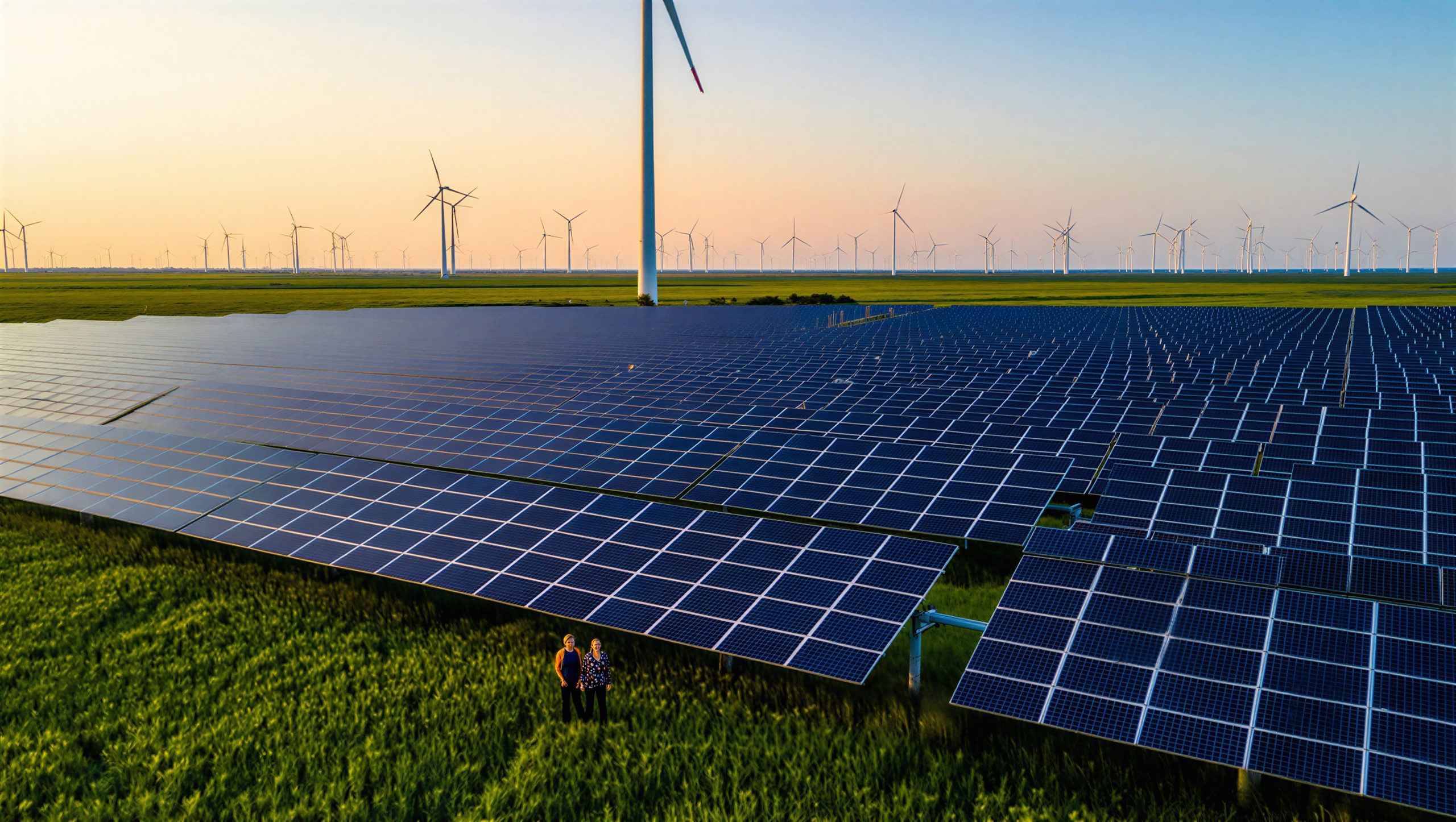
Bridging innovation and implementation in Asia’s energy transition

How philanthropy helps turn ideas into operating solutions across Asia, with partners including The Sunrise Project

Asia’s energy transition is accelerating under the twin pressures of rising demand and the urgent need for resilient energy systems. Across the region, however, the primary constraint is no longer a lack of ideas or technology—it is the ability to implement them at scale, in ways that are locally grounded, financially viable, and durable.

Addressing these gaps require more than capital alone. In many markets, progress is slowed by limited institutional capacity, fragmented coordination, and insufficient early-stage support to bring viable solutions to the point where commercial investment can flow.

As a coalition of regional climate foundations and transnational partners, ReNew2030 works alongside organisations such as The Sunrise Project to demonstrate how grants-based philanthropic support—early risk-taking, technical expertise, and ecosystem coordination—can unlock and scale renewable energy initiatives.
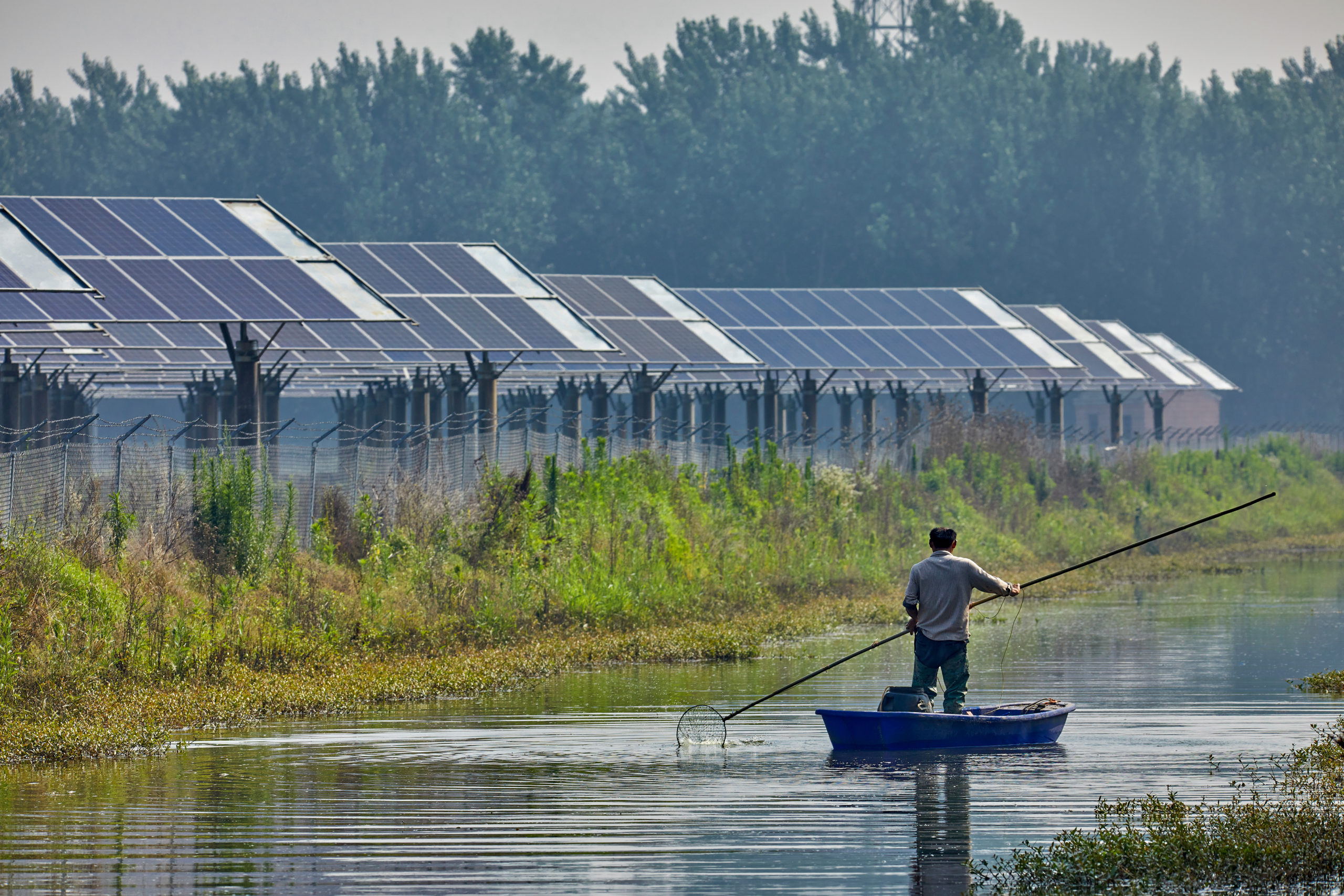
The role of philanthropy: enabling systems, not just projects

As regional platforms like Singapore’s Ecosperity Week highlight the growing focus on climate and energy solutions, they also raise a central question: what actually enables delivery on the ground?

The answer increasingly lies in the strength of the systems around these efforts. Across Asia, think tanks, NGOs, innovators, and financial institutions are generating ideas and opportunities, but often lack the connections, capacity, or conditions needed to translate them into implementation. Philanthropy helps close this gap by operating across the system: from supporting coordination and strengthening the capacity of local organisations and institutions, to enabling early-stage project and pipeline development and enhancing the conditions for investment in renewable energy.

Much of this work focuses on less visible but critical steps that enable delivery and allow solutions to move from concept to implementation. The examples below illustrate how this approach is being applied in practice.

Philippines: enabling electric cooperatives to deliver renewable energy

In the Philippines, electric cooperatives serve around 15 million people, many in rural and island areas where reliable power remains a challenge. While central to national renewable energy ambitions, they have historically had limited capacity to develop generation projects themselves.

The Local Utility Project Accelerator (LUPA), developed by Allotrope Partners and now operating through Kapuluan Renewables, addresses this gap by working directly with cooperatives to build technical, financial, and development capability. By combining hands-on support with pathways to financing, it enables cooperatives to originate and deliver solar and battery projects.

Early results are already visible. In Aurora Province, a cooperative is advancing its first solar project to improve reliability and reduce costs for over 60,000 customers. Across the country, a pipeline exceeding 100 MW is under development, reaching more than 2.7 million customers.

Philanthropy here is helping build institutional capacity and create a pipeline where none previously existed, enabling local actors to deliver renewable infrastructure at scale.

Southeast Asia: strengthening financing for distributed energy

Across South and Southeast Asia, distributed renewable energy is expanding rapidly, but financial institutions often lack experience lending to decentralised systems. This reflects limited track record, unfamiliar risk profiles, and a lack of standardised financing structures—but also a broader disconnect between financial institutions and the renewable energy ecosystem.

The Clean Energy Finance Roundtable (CEFR), co-convened with New Energy Nexus and JADE Dialogues, works to close this gap by bringing together banks, developers, and ecosystem actors in a working platform to develop practical solutions to financial barriers in real time.

This is already producing results: in Pakistan, partners are developing a securitisation facility for distributed solar to unlock larger pools of capital by recycling investment flows; in Cambodia, electric motorcycle financing models are advancing; and in Bangladesh and Vietnam, new approaches to solar and energy services are taking shape.

In this context, philanthropy is instrumental in aligning systems—connecting capital with opportunity by reducing barriers, improving trust, and enabling new financial pathways.

Pakistan: supporting the next generation of local innovation

Strengthening locally relevant solutions is essential, as the most impactful approaches are often those shaped by the realities and constraints of the contexts in which they are deployed. Pakistan provides a clear example of this dynamic.

Climate Innovation Pakistan (CLIP) focuses on this part of the ecosystem, supporting early-stage innovators working on energy, storage, mobility and climate technologies. Through incubation, mentorship and practical support, it supports startups test solutions, refine business models and build pathways toward scale.

One example is Power Sodium, which is developing battery technologies designed to reduce reliance on imported materials and diesel backup systems. Its systems are tailored for applications such as telecoms, microgrids and data centres, where reliable and cost-effective energy is critical.

By backing locally grounded innovation systems, philanthropy helps turn early-stage ideas into practical approaches shaped by national needs and regional realities.

Creating the conditions for solutions to be implemented at scale

Across these examples, a common lesson emerges: progress depends not only on individual projects, but on the strength of the systems that enable them.

Working with regional partners, philanthropy helps create the conditions for change by addressing the gap between ideas and implementation—supporting early development and taking on risk where markets are not yet ready.

In the Philippines, this has enabled electric cooperatives to begin developing renewable energy assets and attract investment. Across Southeast Asia, collaboration with financial institutions is supporting capital to flow toward distributed energy through stronger financing structures and greater investor confidence. In Pakistan, support for innovators is enabling locally relevant solutions to move from early-stage development toward real-world application.

These efforts highlight the importance of solutions shaped by local realities and led by organisations embedded in the communities they serve.

By working across these interconnected gaps, ReNew2030 and its partners are helping create the conditions for solutions to take hold. As efforts scale across the region, progress will depend on strengthening both the systems that enable change and the local capacity that sustains it.
Powering possibility: How communities are turning the tide on the energy transition

Powering possibility: How communities are turning the tide on the energy transition

A conversation with Instituto Clima e Sociedade, Iniciativa Climática de México and the European Climate Foundation

Around the world, many communities continue to be overlooked in the energy transition. Some are still dependent on costly and polluting fuels to power their lives—often beyond the reach of national grids and excluded by ongoing inequality and underinvestment. Others face different barriers: limited inclusion, gaps in technical capacity, or insufficient institutional support to shape solutions that fit local needs.

Across these regions, the message is the same: the current approach falls short, and the most vulnerable are paying the highest price. To tackle this, our regional partners are leading a growing number of projects with the communities, to build cleaner, more reliable, and more equitable energy futures.

Here are three concrete examples that show what’s possible when local innovation meets global momentum.

The Solution

The energy transition isn’t just about switching to renewables—it’s about working with communities and grounding solutions in lived realities. By involving local voices in the design, ownership, and rollout of clean energy, we can ensure benefits like affordability, reliability, and economic opportunity reach those often left behind. Our goal is to scale up these kinds of projects: community-driven, locally adapted, and powered by renewables energy.

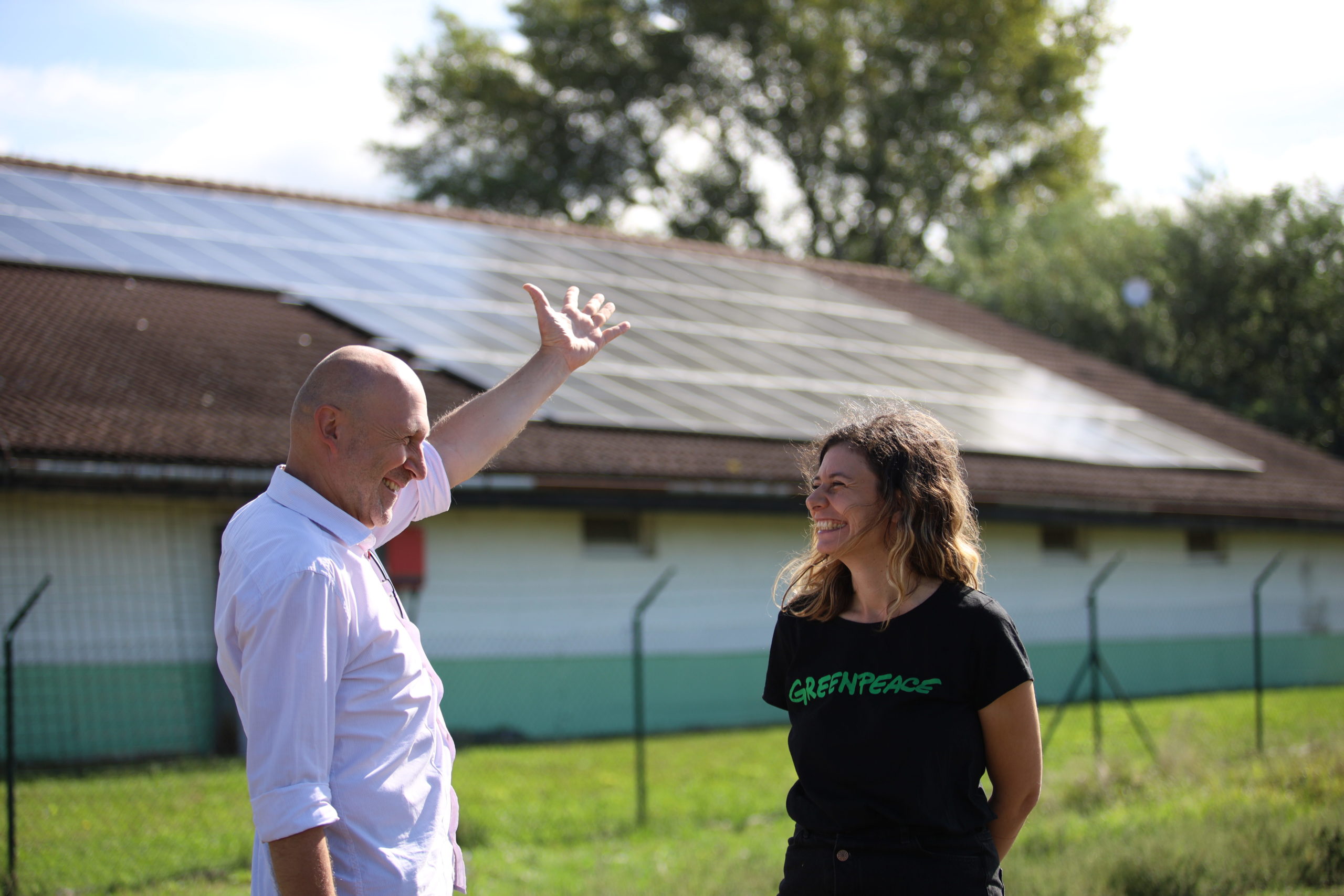
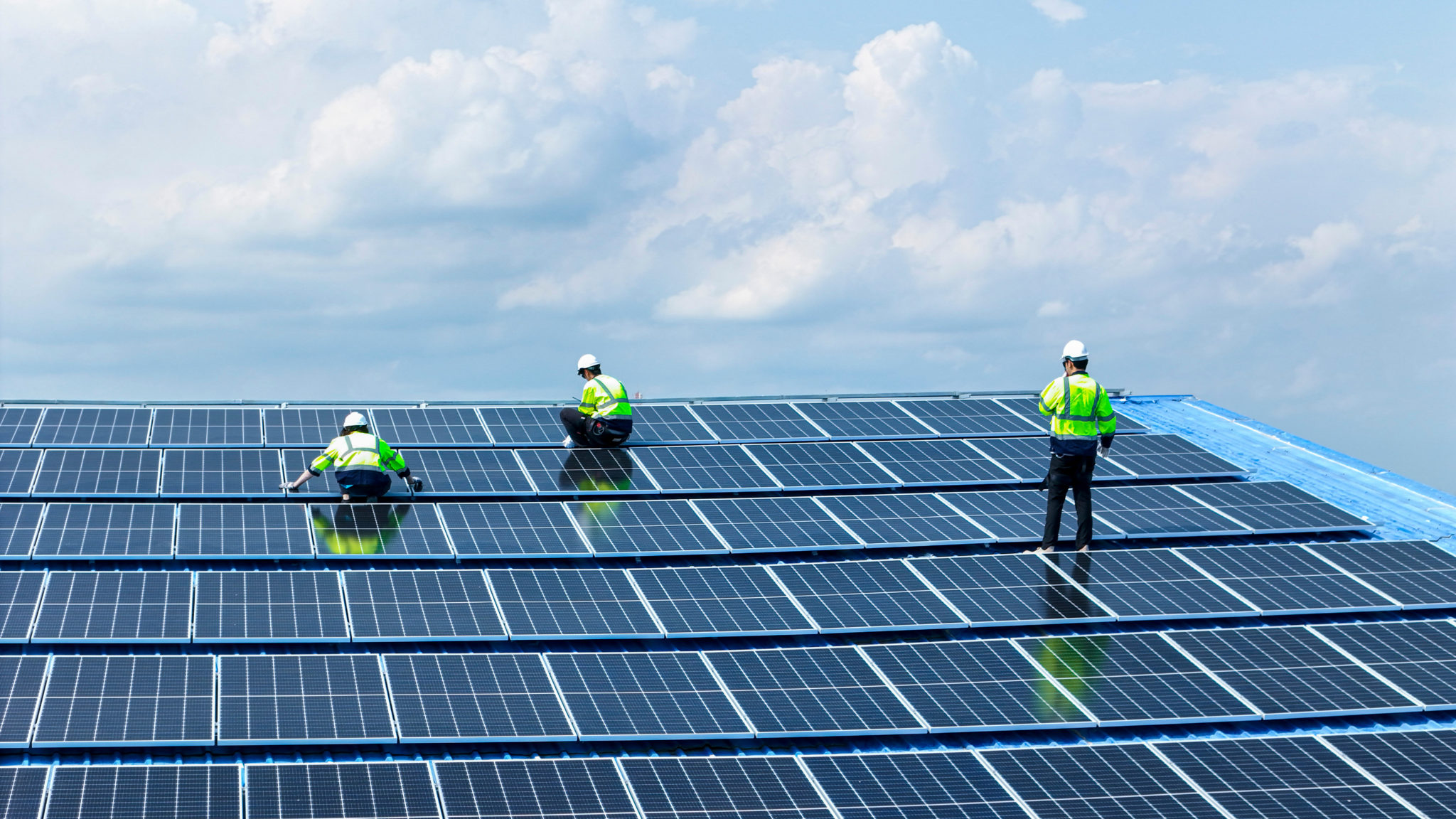
In Brazil, solar energy is powering sustainable rural development and advancing community-led climate solutions. In partnership with Instituto Clima e Sociedade (iCS) and the Centre for Sustainable Development at the University of Brasília, the project brings solar panels and agroecological systems to reform settlements in the semi-arid Caatinga region. This initiative not only generates reliable electricity but also supports rainwater collection and irrigation, laying the groundwork for resilient, community-led food systems.

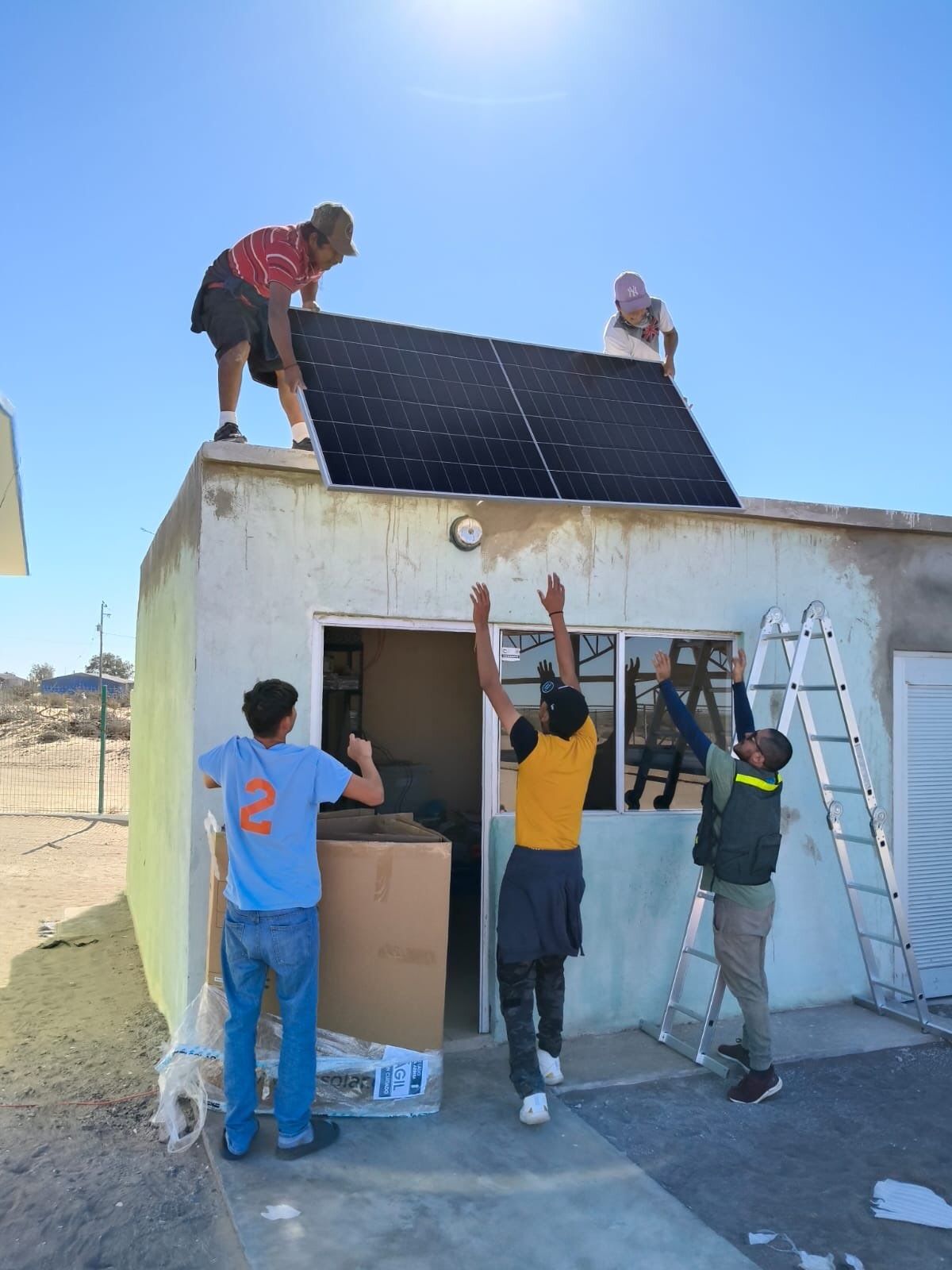
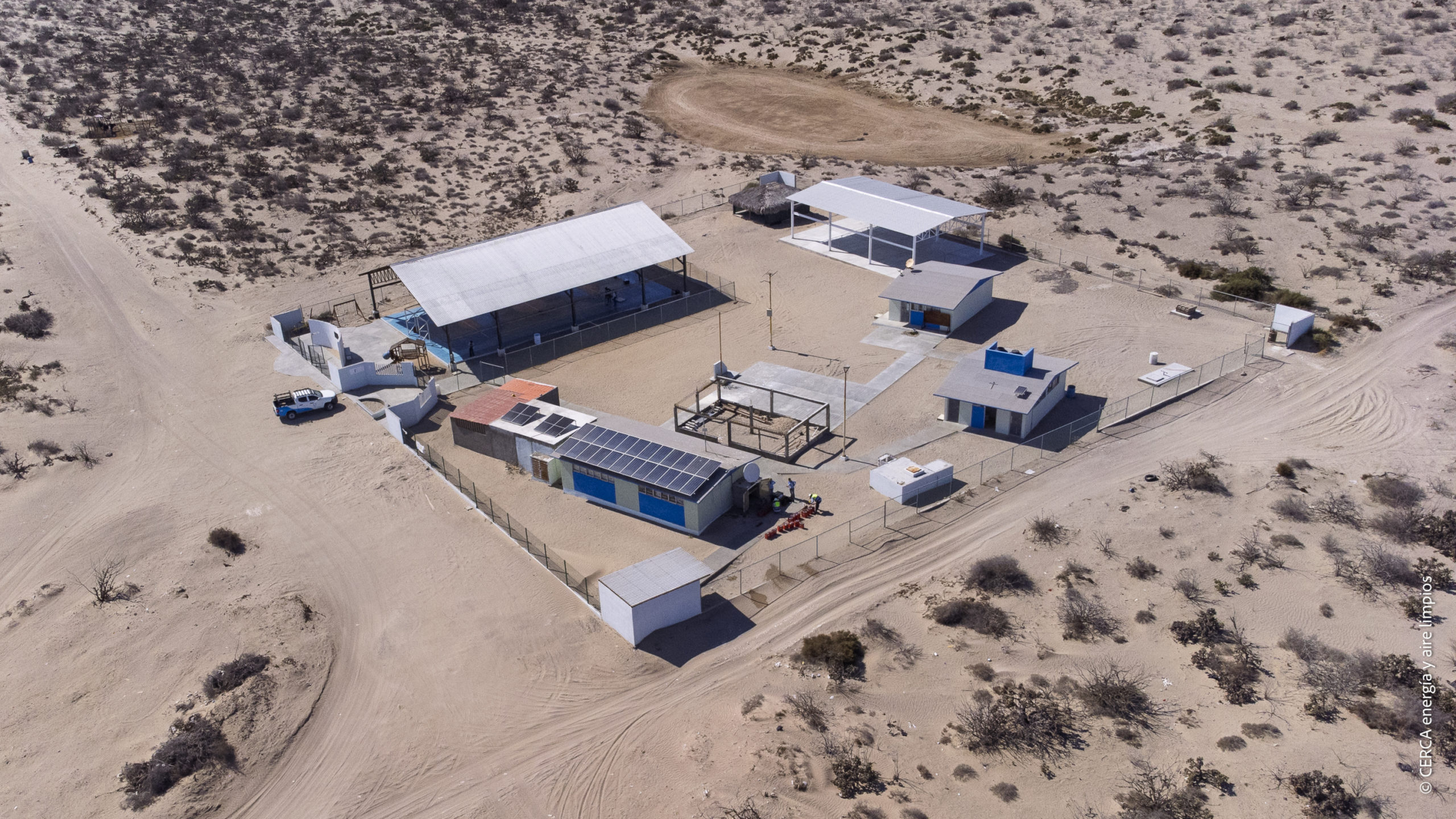
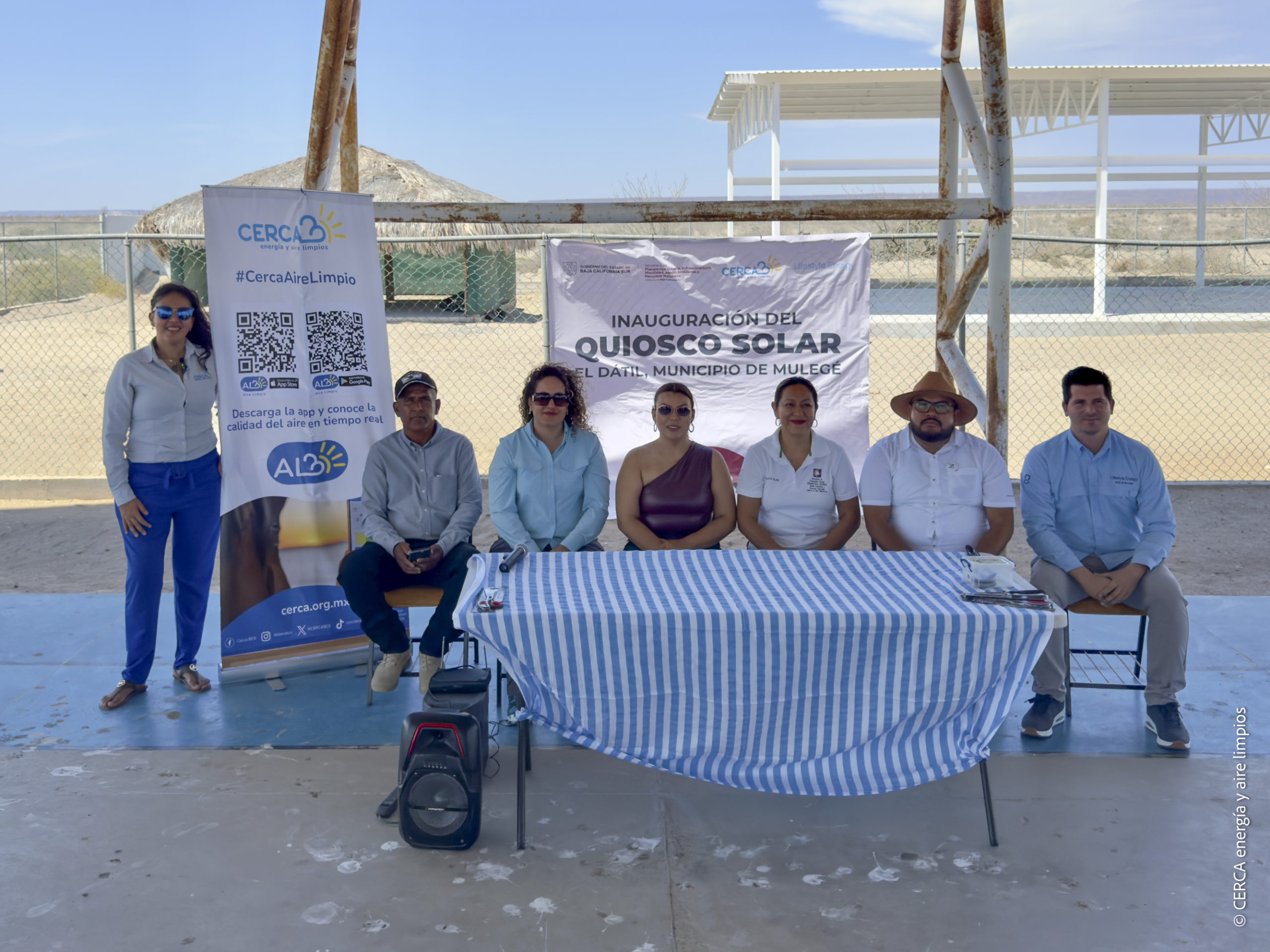
Meanwhile in Mexico, two communities in El Dátil’s desert region welcomed solar-powered kiosks in August 2025. Led by CERCA and supported by Iniciativa Climática de México (ICM), the project replaces costly, polluting diesel generators with clean, consistent solar power that provides essential electricity services in a harsh, off-grid environment. Following this launch, ICM is also working to implement two more kiosks in the communities of La Candelaria and San Luis Gonzaga, expanding access to clean energy across the region.

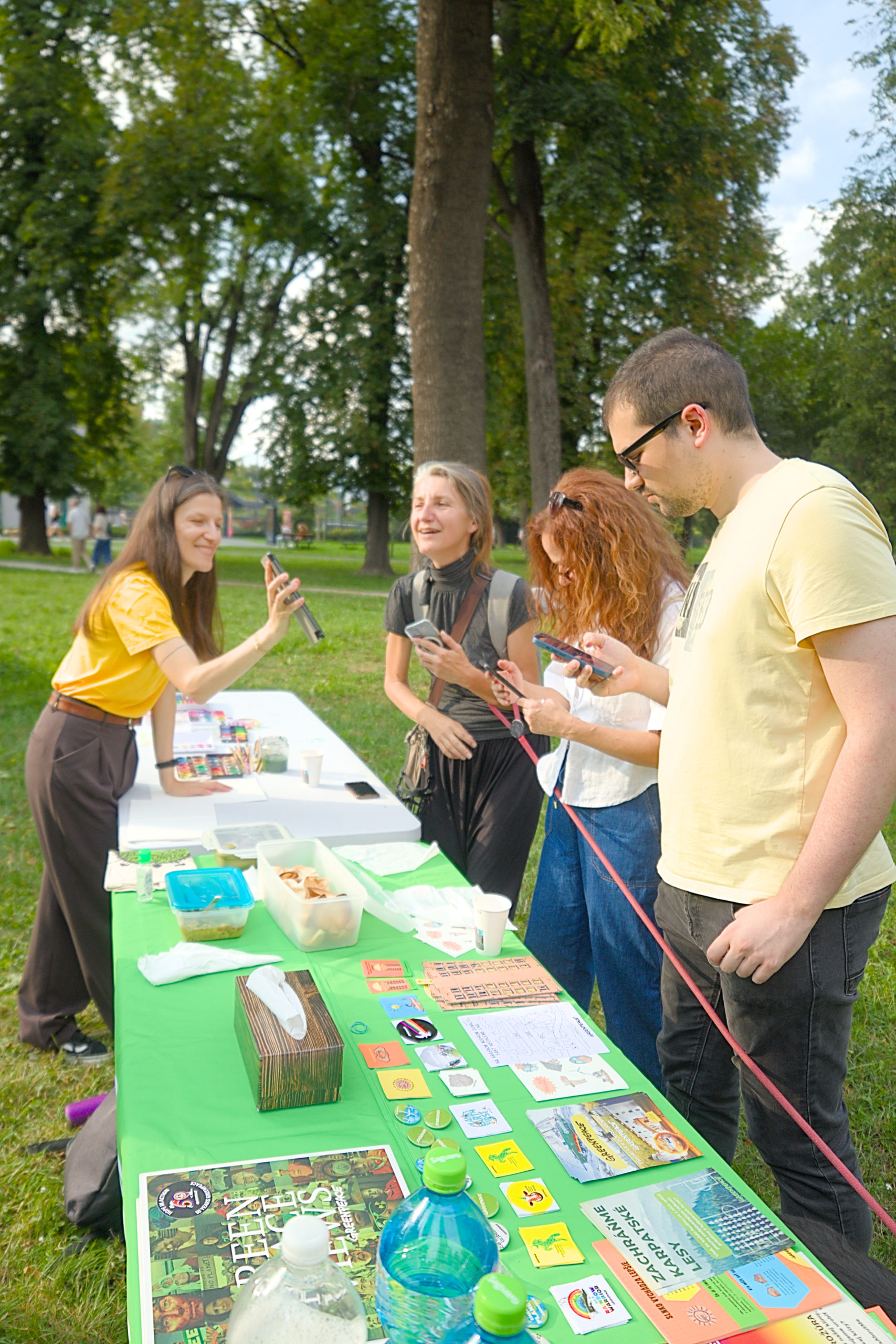
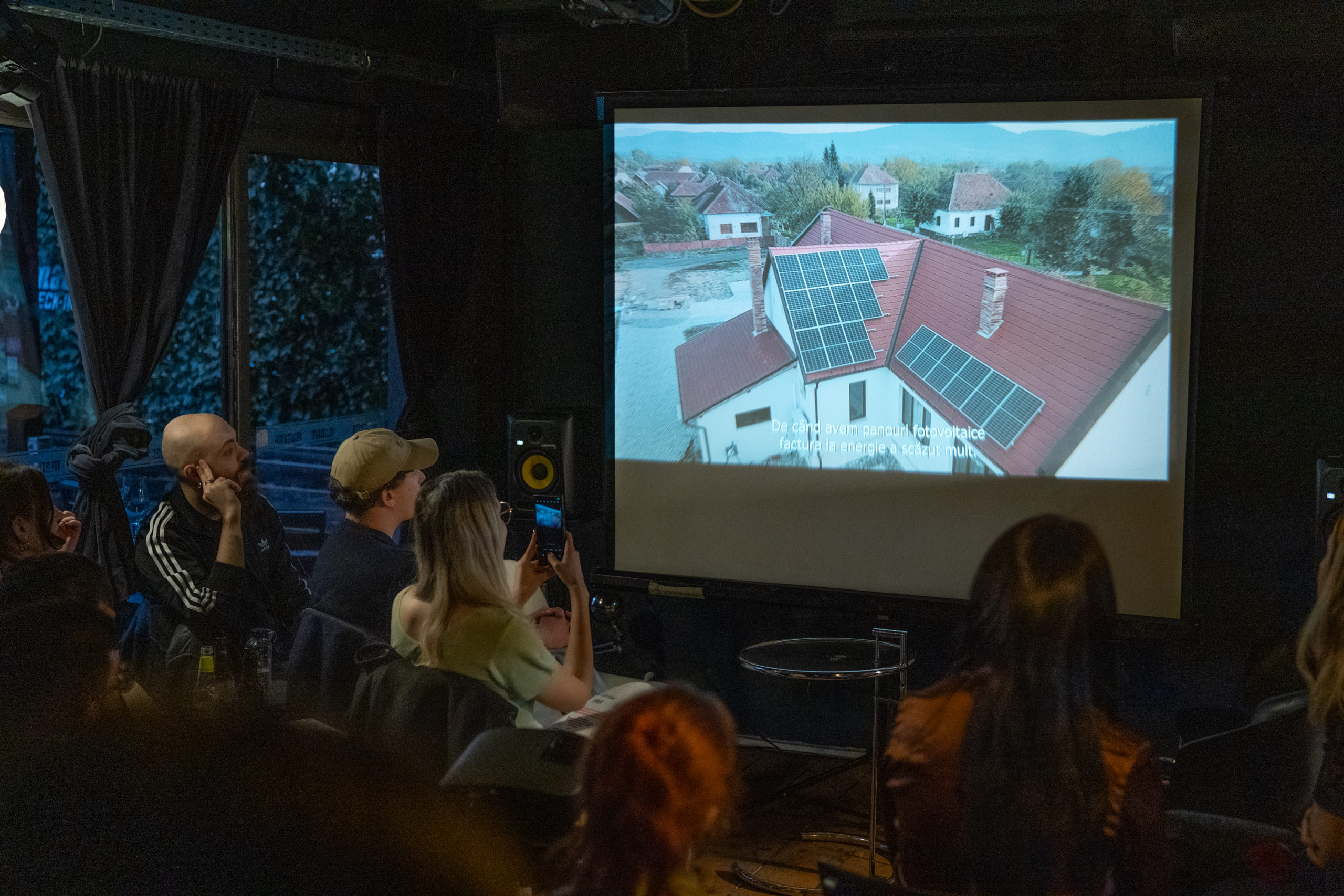
And across Europe, creative outreach and digital innovation are helping people see themselves in the energy transition. With support from the European Climate Foundation, Greenpeace teams in Slovakia and Romania are meeting people where they are and sparking curiosity about shared energy solutions through lively festivals and door-to-door campaigns reaching over 1,300 apartment blocks, raising awareness about energy communities and their benefits. At the same time, new tools like the Coopérnico Communities App are making local collaboration easier by connecting neighbours to co-create, manage, and share renewable energy projects within their communities.

The Impact

Whether it’s connecting neighbours through community energy, integrating solar panels with farming systems, or deploying microgrids in remote villages, these solutions are rooted in local realities and built for long-term impact. In every region where this work is underway, we’re seeing what’s possible when communities reclaim their energy futures.

In Brazil’s Northeast, rural families are turning sunlight into reliable power and opportunity. With agrivoltaics systems now powering homes and irrigating crops, communities are seeing reduced energy costs, improved food and water security, and new income from organic agriculture. Technical training ensures farmers can operate and maintain these systems independently, strengthening local ownership and long-term sustainability.

In Mexico’s Baja California Sur, new solar-powered kiosks are delivering reliable, clean energy for essential services like education and community gatherings These systems replace polluting fuel sources, cutting CO2 emissions, and they serve as a foundation for long-term resilience in one of Mexico’s most energy-challenged regions. More than just infrastructure, the kiosks reflect a shift in how energy access is approached: by building local capacity and encouraging community ownership, the initiative goes beyond restoring energy access and begins to reimagine it.

In Europe, communities are becoming active players in shaping their energy futures. Creative outreach has made energy cooperation tangible and relatable—turning renewable power from an abstract goal into everyday action. By connecting neighbours to produce, store, and share renewable energy, these efforts are helping people lower costs, build trust, and take ownership of their local systems. Together, these efforts are turning energy transition from a distant policy goal into something participatory, practical, and personal.

Until recently, these communities were dependent on unreliable energy sources that placed a heavy economic burden, particularly on rural and historically marginalized groups. Today, thanks to locally grounded efforts people are taking the lead in shaping their own energy futures.

These successes aren’t happening in isolation. They are part of a growing network supported by ReNew2030 and partners, where solutions are tested, shared, and adapted across borders. Peer learning and community-to-community exchange are fuelling a global movement grounded in local impact.

How Asia’s offshore wind sector is gaining momentum in 2025

How Asia’s offshore wind sector is gaining momentum in 2025

By Sharon Lo Deputy Director, Program Strategy & Insights, Tara Climate Foundation, Chair of ReNew2030’s Implementation Partners Council

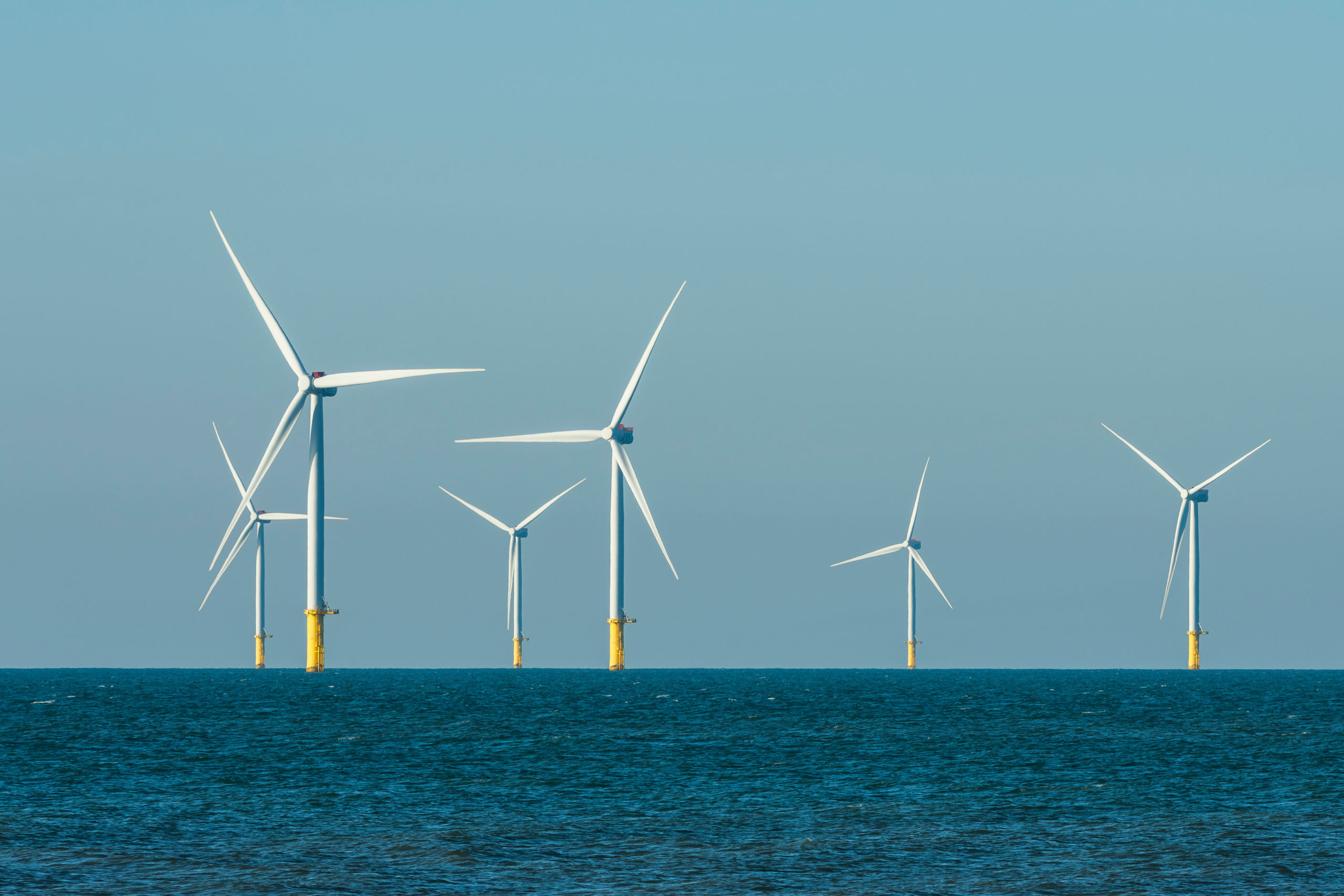
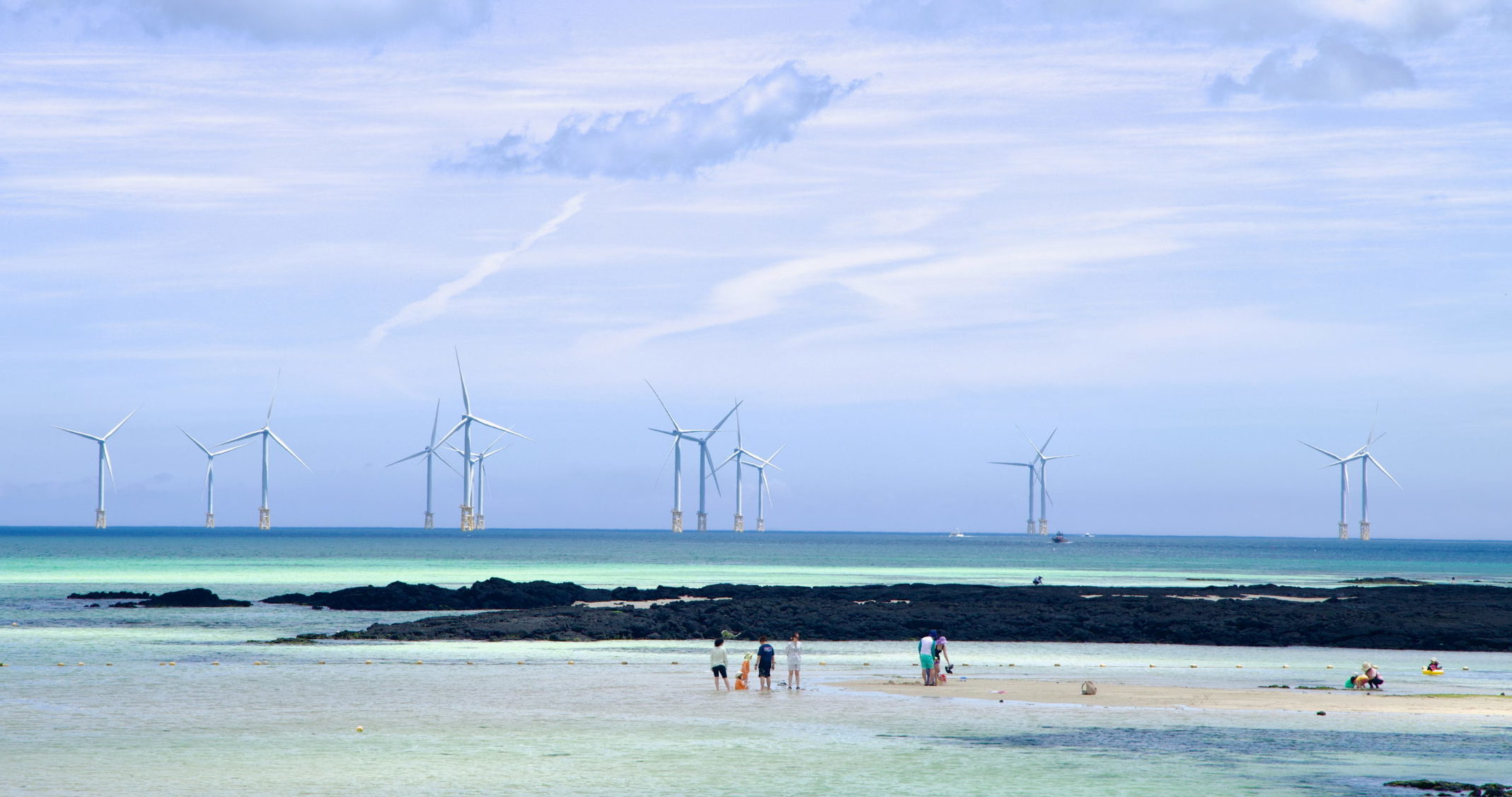
Across Asia, momentum continues to grow around offshore wind and renewable energy development in 2025. Recent changes in regulatory frameworks, project planning approaches, and market mechanisms are helping unlock new opportunities for clean energy deployment in countries like Japan, South Korea, and the Philippines.

Tara Climate Foundation, a partner of ReNew2030, has been working with a broad group of organisations to shine a spotlight on offshore wind, making the case for its economic and social benefits, highlighting the vast potential across Asia, as well as providing technical expertise and support to help enable its potential to grow.

From expanded zones for offshore wind projects, to more coordinated permitting processes and large-scale energy auctions, new developments are creating a more supportive landscape for scaling clean energy infrastructure and advancing national energy transitions.

Japan: New Framework to Support Floating Offshore Wind Development

Japan has passed a long-anticipated bill paving the way for the development of floating offshore wind projects within its Exclusive Economic Zone (EEZ). The new framework, set to take effect by April 2026, introduces several measures that enable new wind energy projects, including designating development zones in the EEZ, a formal licensing structure, the establishment of a stakeholder consultation council, and a streamlined environmental assessment process led by the government. Earlier this month, the Japan government announced its industry vision for offshore wind, including a target to develop 15 GW of floating capacity by 2040. These developments mark a significant step forward in unlocking Japan’s offshore wind potential, following years of supportive policy engagement and technical dialogue by a range of stakeholders.

South Korea: Landmark “One Stop Shop” Policy to Streamline Offshore Wind Permitting

In a major boost for South Korea’s offshore wind ambitions, the National Assembly passed the Special Act on the Promotion of Offshore Wind Power in February 2025. Informally known as the “One Stop Shop Act,” the policy is designed to simplify the complex permitting and regulatory processes that have historically slowed down projects. By centralising and expediting approvals, the Act is expected to significantly reduce project timelines. South Korea has set a target of 40.7 GW of installed wind capacity by 2038, and the implementation of this new approach will be key to achieving that goal.

Philippines: Green Energy Auctions Accelerate Renewable Energy Capacity

The Philippines’ Green Energy Auction Program (GEAP) has emerged as a critical driver of renewable energy growth. Since its inception in 2022, nearly 12 GW of contracts have been awarded across three rounds. The auction in February 2025 attracted 7.5 GW worth of bids, exceeding its 4.6 GW target. Looking ahead, over 10 GW of solar and wind capacity are expected to be awarded in the next round (GEA-4) scheduled for September 2025. Notably, the announced GEA-5 will mark the country’s first auction dedicated solely to fixed-bottom offshore wind, offering 3.3 GW of capacity for delivery between 2028 and 2030. Efforts are underway to ensure auction designs support long-term bankability, including mechanisms to address inflation and currency risks, helping maximise the economic benefits and promote investment in wind power.

These recent developments show there is growing potential for offshore wind to deliver clean, reliable power at scale, supporting the region’s economic ambitions while contributing to long-term energy security and climate resilience.

Continued collaboration, investment and innovation are key to creating a thriving offshore wind sector.

Together with our partners from the ReNew2030 network, we can keep building towards a renewable transition that works for people in Asia, and around the world.

Modernising the grid: The missing link to scaling renewables

Modernising the grid: The missing link to scaling renewables

The world is making significant strides toward a clean energy future, but our electricity grids are stuck in the past. Unless we rapidly modernise grid infrastructure, the entire net zero vision is at risk.

Outdated, underfunded, and overstretched, electricity grids have become one of the biggest barriers to scaling renewable energy. Wind and solar projects are being delayed or cancelled due to grid bottlenecks while curtailment – the intentional reduction of renewable energy output – is expected to rise in areas where grid flexibility and storage capacity remain limited. Modern, resilient grids are essential for economic and social development, and for protecting communities from climate impacts like heatwaves, wildfires and floods. Despite growing investments, regional disparities and infrastructure gaps risk leaving some communities behind in the energy transition.

But solutions exist and philanthropy has an important role to play in modernising the grid infrastructure. Over 60 countries and 100 non-state actors have signed the Global Energy Storage and Grids Pledge, committing to add or refurbish 25 million kilometres of grids by 2030. At ReNew2030, we believe that philanthropy is uniquely placed to accelerate grid modernisation. By unlocking investment, streamlining policies, and supporting regulatory reforms and local capacity building, we can help turn electricity grids into the backbone of the clean energy transition.
Through conversations with experts and partners in the sector, we identified key barriers to progress and explored how philanthropy can be a powerful catalyst for change.

What are the key challenges to grid modernisation?

Lengthy regulatory processes

Planning and approval for grid projects is often slow and complex and in some cases takes up to a decade. Complex permitting requirements, environmental assessments, and stakeholder consultations can create bottlenecks that slow down project development. These delays not only hinder the integration of renewable energy but also impact grid reliability and resilience.

Current regulatory frameworks often lack the flexibility to support rapid investment and innovation in grid infrastructure. Streamlining these processes, while maintaining robust oversight, is crucial to building a modern, resilient, and renewable-ready grid.

Philanthropy can play a critical role in accelerating regulatory reform through policy engagement and public education. Raising awareness of the urgent need and broad benefits of grid modernisation is key. By funding research and engaging with policymakers, philanthropic organisations can help shape policies, encourage investment, and support faster, more effective approval processes.

Unlocking investment

Modernising the grid is one of the most critical – and complex – challenges in the transition to renewable energy. The need to expand and upgrade aging infrastructure while integrating variable renewable energy sources is well established. Yet the sheer scale of investment – estimated at USD 717 billion annually through 2030, combined with regulatory fragmentation, uncertain financial returns and market design barriers, continues to hold back private capital.

This investment gap is especially stark in the Global South, where the urgent need to expand and modernise transmission and distribution infrastructure poses a significant hurdle to achieving energy transition goals.

While advanced economies grapple with modernising their aging grid infrastructure, some developing economies are still laying the foundations for their power systems. This makes grid investment not only a matter of modernisation, but a cornerstone of development, resilience and energy equity.

To bridge this gap, philanthropic capital can play a catalytic role. By funding early-stage pilots, strengthening institutional and technical capacity, supporting research, and addressing market failures – particularly in regions facing persistent investment gaps, philanthropy can help de-risk innovation and attract commercial investment.

The power of philanthropy

Equipping local actors with the skills and tools to design, manage, and maintain future-ready grids is essential. This includes workforce development and technical education, alongside support for the digital transformation of electricity systems — ensuring they are smart, adaptive, and capable of balancing supply and demand in real time.

Philanthropy can play a transformative role in accelerating grid expansion and modernisation – bridging gaps often left by governments and private investors.

By catalysing progress, de-risking innovation, and strengthening institutional capacity, philanthropy can help deliver a just, inclusive and sustainable clean energy future.

We asked people behind community-based energy projects how to gather wider support for the energy transition

We asked people behind community-based energy projects how to gather wider support for the energy transition

The journey towards clean energy in Europe has made major strides, but it is not always a smooth journey. Public resistance to renewable energy projects and related infrastructure risks slowing down the transition, at a time when both speed and scale are crucial for effective climate action. At ReNew2030, we believe the key to overcoming these challenges lies in effectively engaging and supporting communities throughout the transition process. The 2023 Barometer reveals that 93% of EU citizens recognise climate change as a serious problem. Yet, few have the opportunity to translate this concern into concrete action. This is where community-based energy projects come in.

As we’ve actively engaged with and fostered the development of community-based energy initiatives for years, we’ve met the citizens behind these projects. On top of empowering people to take climate action, saving money, and building communal ties, energy communities have been described as one of the best ways to gather support for the energy transition, by making these benefits tangible in people’s day-to-day lives.

Decades of success stories in Europe: energy communities as a working model to be deployed

Energy communities have been gaining traction across Europe for decades, driven by proactive individuals and groups seeking to take control of their energy production and use. These projects enable citizens, small businesses, and local organisations to actively participate in the energy transition, offering a range of benefits such as lower energy bills, increased independence, and local development opportunities.

The emergence of these communities typically follows a bottom-up approach, where a group of motivated individuals comes together to garner support for creating a structured energy system tailored to their specific needs and aspirations. Research indicates that over 900,000 people across the EU are already involved in energy communities, with tremendous potential for further growth.

The European Climate Foundation (ECF), one of ReNew2030’s long-standing partners, recognised the potential of community-based energy projects in helping advance the energy transition as early as 2015. ECF’s vision is rooted in the belief that the energy transition should be fair and inclusive, actively involving communities in the process. Nearly a decade later, ECF’s Energy Democracy network gathers more than 25 partners, bringing together NGOs and energy cooperatives, across 14 European countries.

Partners across Europe have shared that positive support for the emergence of additional energy communities across Europe comes through early consultations with the community, an encouraging legal framework at national and European level, and the sharing of local best practices.

Energy communities ensures people own and benefit from energy transition

The socio-economic benefits of energy communities are a prime focus – from lowering energy bills to fostering local development. By creating these benefits, energy communities turn their participants in allies of the energy transition as a whole, fostering wider public support for the energy transition. As energy communities are platforms for raising knowledge about renewable energy among participants, they also empower these individuals to become advocates for sustainable change.

The current Danish landscape offers a telling example – in this country, 52% of the existing wind capacity operates under some form of citizen ownership. This model has not only empowered individuals but has also significantly bolstered public support for renewable energy. When people participate in or own energy projects, they are more likely to appreciate the benefits and accept potential drawbacks. Ownership, in particular, further strengthens acceptance and enthusiasm.

To meet our climate goals and stay within planetary boundaries, the share of renewable energy in the global power mix will have to increase from 28% in 2020 to 68% by 2030. To deploy this massive increase in renewable energy production, we need to secure citizens’ buy-in and support behind the changes that will drive a clean, safe energy system. Community energy projects, for all the benefits they provide to participants, can play a key role in this system-change.

Tags:
Posted in Uncategorised | Comments Off on We asked people behind community-based energy projects how to gather wider support for the energy transition

We asked experts how we can overcome structural barriers to renewable energy investments

We asked experts how we can overcome structural barriers to renewable energy investments

At Renew2030 we collaborate globally with a diverse range of partners, from grassroots movements to policy think tanks, philanthropies, and climate NGOs. We’ve asked them how they tackle key barriers to renewable energy investments, especially in low- and middle-income countries.

Investments in renewable capacity reached a record high of USD 570 billion in 2023. While this increase massively concerns China, EU, and the United States, Brazil and India accounted for just over 6% of investments, and in Africa, investments fell by 47% compared to 2022. This disparity highlights the need for an inclusive transition to net zero – one that ensures low- and middle-income countries aren’t left behind. These regions face a significant financing gap, with an estimated shortfall of $1.2 trillion annually required to meet their climate goals.

From our interviews with experts and partners working in policy research, investment deployment, and community engagement, three key blockers, and strategies to address them, have emerged across regions and areas of focus.

Shift financial flows

The first barrier that needs to be overcome in many markets is the legacy of subsidies, regulatory frameworks, risk models, and fossil fuel financing. Fossil fuel deployment remains the default in many cases, often requiring a policy pivot from those in power to shift the existing capital into clean energy projects.

Our partners have been actively collaborating with national governments to enable this transition, redirecting fossil-fuel investments to green energy initiatives. For example, Renewables First, is working with ReNew2030’s partner, The Sunrise Project, to help investors pivot from coal to renewables and shift policies to facilitate the flow of capital into renewable energy projects.

Efforts on the ground are beginning to yield results: Pakistan has seen a surge in solar capacity, with 15 GW of solar panel imported over the past year, driven by a steep increase in electricity tariffs over the last three years. This rapid shift, mostly toward off-grid solar solutions, underscores the urgent need for grid modernisation and policy reforms to support decentralised solar generation, while ensuring the financial sustainability of electricity utilities

Creating regulatory and policy frameworks to attract additional funding

Redirecting fossil fuel investments is just the beginning. To close the $1.2 trillion financing gap for low- and middle-income countries, partners have highlighted the need to attract additional capital, both foreign and domestic.

A core blocker outlined by the experts lies in the perceived risk embedded within any regulatory framework by markets, hindering rather than facilitating renewable projects development. For campaigners and philanthropists, this challenge presents a significant opportunity. Adjustments in regulatory barriers—such as those related to planning or capital requirements—can have outsized impacts on attracting private sector investment.

For example, we’ve supported initiatives like Bangladesh’s Centre for Policy Dialogue, through our partner The Sunrise Project. They collaborate with academics, policymakers, and investors to identify and highlight the domestic investment blockers and operational bottlenecks that prevent large-scale overseas investment in renewable energy-led power generation. These blockers are brought to the attention of national officials and investors at the occasion of Energy Forums bringing all stakeholders together to promote the creation of a new framework that expedites renewable energy investment.

Similarly in Sri Lanka, our partner V20 is engaging strategically with Finance Ministries to develop investment plans to attract foreign investments into renewable energy projects. The Sri Lanka Offshore Wind Roadmap exemplifies what can be achieved with strong regional cooperation that promotes offshore wind development.

Investing in tomorrow’s solutions: enabling funding system-change

Lastly, experts flagged the need to test models that can attract private capital in large-scale renewable energy projects.

True transformation in the energy transition isn’t just about addressing existing barriers but also about investing in breakthrough solutions before they hit the mainstream. On this front, we’ve been collaborating with local players to enable innovative renewable energy funding models that deliver financial, social, and environmental benefits.

When these models are successful, they attract additional private and public capital. A standout example is the RIPLE (Renewables Investment Platform for Limitless Energy), a $500 million initiative in Nigeria created by the Nigeria Sovereign Investment Authority (NSIA) with support from The African Climate Foundation. This initiative is a system change, unlocking private capital to create a renewable energy system that will benefit Nigerians, and that can be replicated in other regions..