Author Archive

A tipping point for the energy transition — but will we seize it?

A tipping point for the energy transition — but will we seize it?

By Rebecca Collyer, Executive Director at ReNew2030

“The world added over 600 gigawatts of solar and wind last year — with solar alone growing more than fifteen times faster what the IEA expected a decade ago.” This line from the Energy and Climate Intelligence Unit’s new report underlined a truth: few believe a transition is gathering pace until they can see it unfolding in real time. Ten years on from the Paris Agreement, it’s a reminder that the energy transition isn’t a future promise, it’s here, accelerating faster than most imagined. Even among experts, that very acceleration has expanded the community itself, giving rise to more expertise and visionaries than before!

Just weeks ago, fresh on the heels of NYC Climate Week, new data echoed the same story: solar generation hit a record high, and renewables overtook coal in global electricity generation for the first time ever.

The new figures confirm that progress is being made. The IEA projects that global renewable power capacity will double by 2030 — equal to the combined capacity of China, the EU, and Japan. Solar PV will lead, accounting for nearly 80% of this growth, with wind close behind despite ongoing challenges. And Ember’s analysis shows that in the first half of 2025 solar and wind growth exceeded the rise in global electricity demand, meaning clean energy didn’t just keep up, it outpaced it.

What we’re witnessing isn’t just a technical or economic transformation; it’s a profoundly human one. A fundamental shift in how the world powers itself: faster than many expected, yet still not fast enough. National Climate Commitments are starting to reflect this shift — many now include renewable energy goals, a notable change from before, but those goals still need to be strengthened.

This is more than an energy story. This is about what it means for people.

We’ve seen firsthand how rooftop solar cuts household bills and how decentralised systems light up clinics, schools, and homes beyond the reach of national grids. In Nigeria, our partner the African Climate Foundation is driving renewable energy projects that expand access. In Pakistan, The Sunrise Project and Tara Climate Foundation are supporting businesses adopt distributed solar to reduce costs and build resilience.

These aren’t side stories — they’re the new centre of energy resilience and equity.

Behind every solar panel or wind turbine is a story of change and, often, of justice: lower energy bills, increased electricity access for remote communities, local jobs, and enhanced energy security.

But progress is not a given.

Yes, renewables have clearly hit the acceleration phase of their S-curve: costs have fallen, supply chains are maturing, and record solar additions are driving global growth, with wind beginning to recover, though unevenly. Yet that very acceleration is exposing new bottlenecks. Grids and policies need to evolve just as fast to keep the curve steep — and how fast we catch up will determine how fast we stay on the steep section.

This growing tension between rapid deployment and system readiness is shaping the next frontier of the energy transition. As renewable energy undercuts fossil fuels on cost, it’s also reducing wholesale electricity prices and system costs. But here’s the catch: without fair market design and investment in modern grids, these savings won’t reach the people who need them most.

Even more troubling, fossil fuel production plans continue to defy climate logic, with governments set to produce more than twice the fossil fuels in 2030 than compatible with 1.5°C. At the same time, less than 15% of renewable energy finance reaches emerging markets and developing economies — both a missed opportunity and an injustice. The energy transition cannot be called successful if it leaves large parts of the world behind.

So where does that leave us? With a choice.

The IEA’s “main case” scenario still falls short of the COP28 target to triple global renewables by 2030. But its accelerated case analysis shows we can close that gap if we act now to resolve financing barriers, cut red tape, and invest in infrastructure.

At ReNew2030, we’re working toward that future. Our mission is to help countries and regions stay on the steep part of the renewable S-curve by turning shared bottlenecks into solutions that can be scaled and replicated. While record growth is encouraging, not all regions are moving at the pace needed to align with the IEA’s Net Zero 2050 pathway, which requires a sustained global expansion on the order of 15% per year through 2030. Many countries, especially outside the frontrunner markets, need to raise both ambition and execution. Closing that “S-curve gap” is precisely what ReNew2030 was created to do.

Because this transition isn’t only about installing more solar panels. It’s about building systems that work for people. That means grid-ready infrastructure, institutional reforms, and local leadership.

As we approach COP30 in Brazil, we must be clear-eyed: this cannot be another summit of promises. It must deliver on credibility and implementation. To keep global climate goals within reach, we can’t simply restate ambition; we must accelerate deployment wherever it can make the biggest impact. That means every clean megawatt we can deploy faster, every policy we can unblock, every financing barrier we can remove, matters profoundly in keeping 1.5°C alive.

The choice before us is simple: seize this tipping point, or risk watching it slip away.

Rebecca Collyer
Executive Director at ReNew2030
Tags:
Posted in Uncategorised | Comments Off on A tipping point for the energy transition — but will we seize it?

Powering possibility: How communities are turning the tide on the energy transition

Powering possibility: How communities are turning the tide on the energy transition

A conversation with Instituto Clima e Sociedade, Iniciativa Climática de México and the European Climate Foundation

Around the world, many communities continue to be overlooked in the energy transition. Some are still dependent on costly and polluting fuels to power their lives—often beyond the reach of national grids and excluded by ongoing inequality and underinvestment. Others face different barriers: limited inclusion, gaps in technical capacity, or insufficient institutional support to shape solutions that fit local needs.

Across these regions, the message is the same: the current approach falls short, and the most vulnerable are paying the highest price. To tackle this, our regional partners are leading a growing number of projects with the communities, to build cleaner, more reliable, and more equitable energy futures.

Here are three concrete examples that show what’s possible when local innovation meets global momentum.

The Solution

The energy transition isn’t just about switching to renewables—it’s about working with communities and grounding solutions in lived realities. By involving local voices in the design, ownership, and rollout of clean energy, we can ensure benefits like affordability, reliability, and economic opportunity reach those often left behind. Our goal is to scale up these kinds of projects: community-driven, locally adapted, and powered by renewables energy.

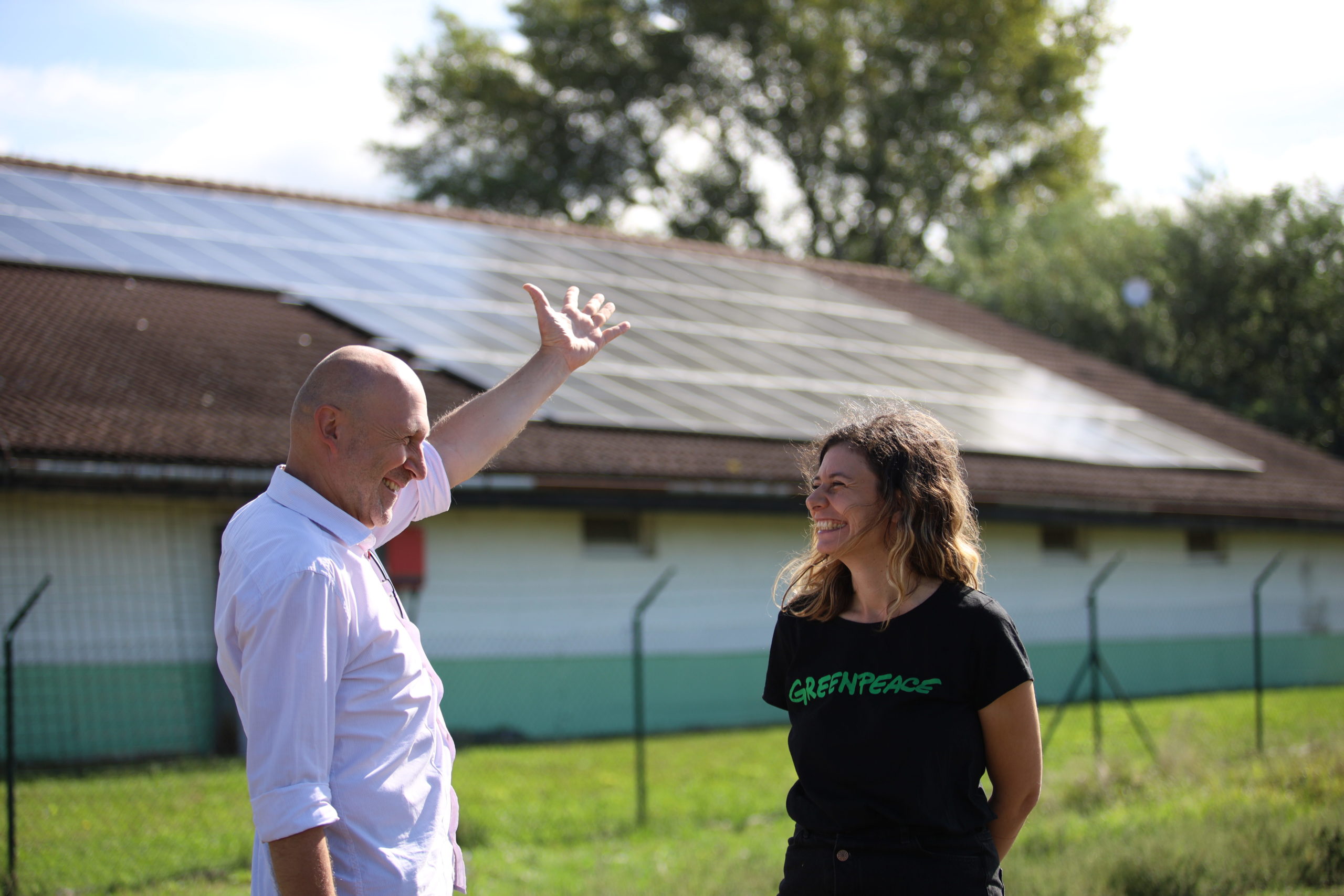
In Brazil, solar energy is powering sustainable rural development and advancing community-led climate solutions. In partnership with Instituto Clima e Sociedade (iCS) and the Centre for Sustainable Development at the University of Brasília, the project brings solar panels and agroecological systems to reform settlements in the semi-arid Caatinga region. This initiative not only generates reliable electricity but also supports rainwater collection and irrigation, laying the groundwork for resilient, community-led food systems.

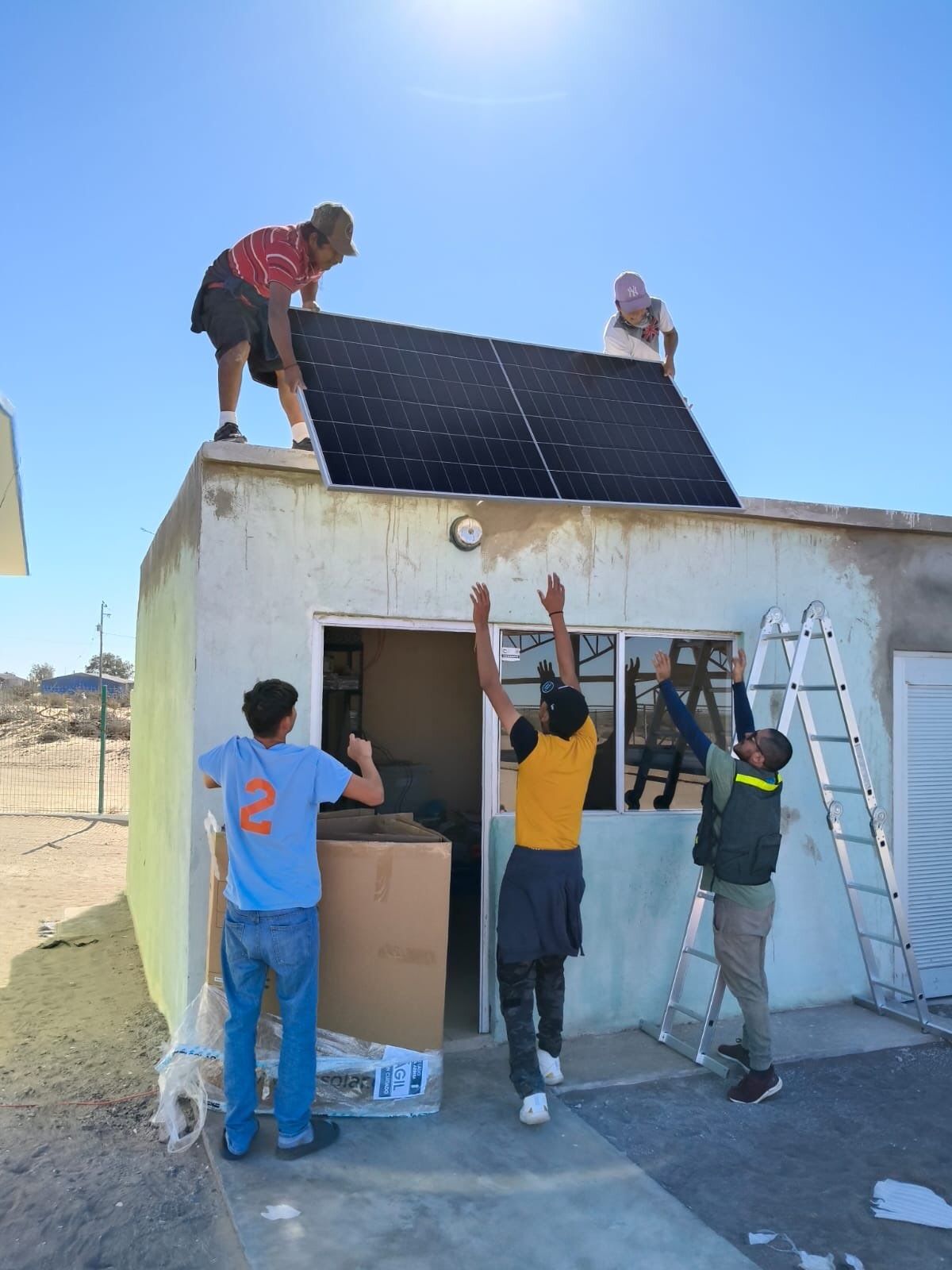
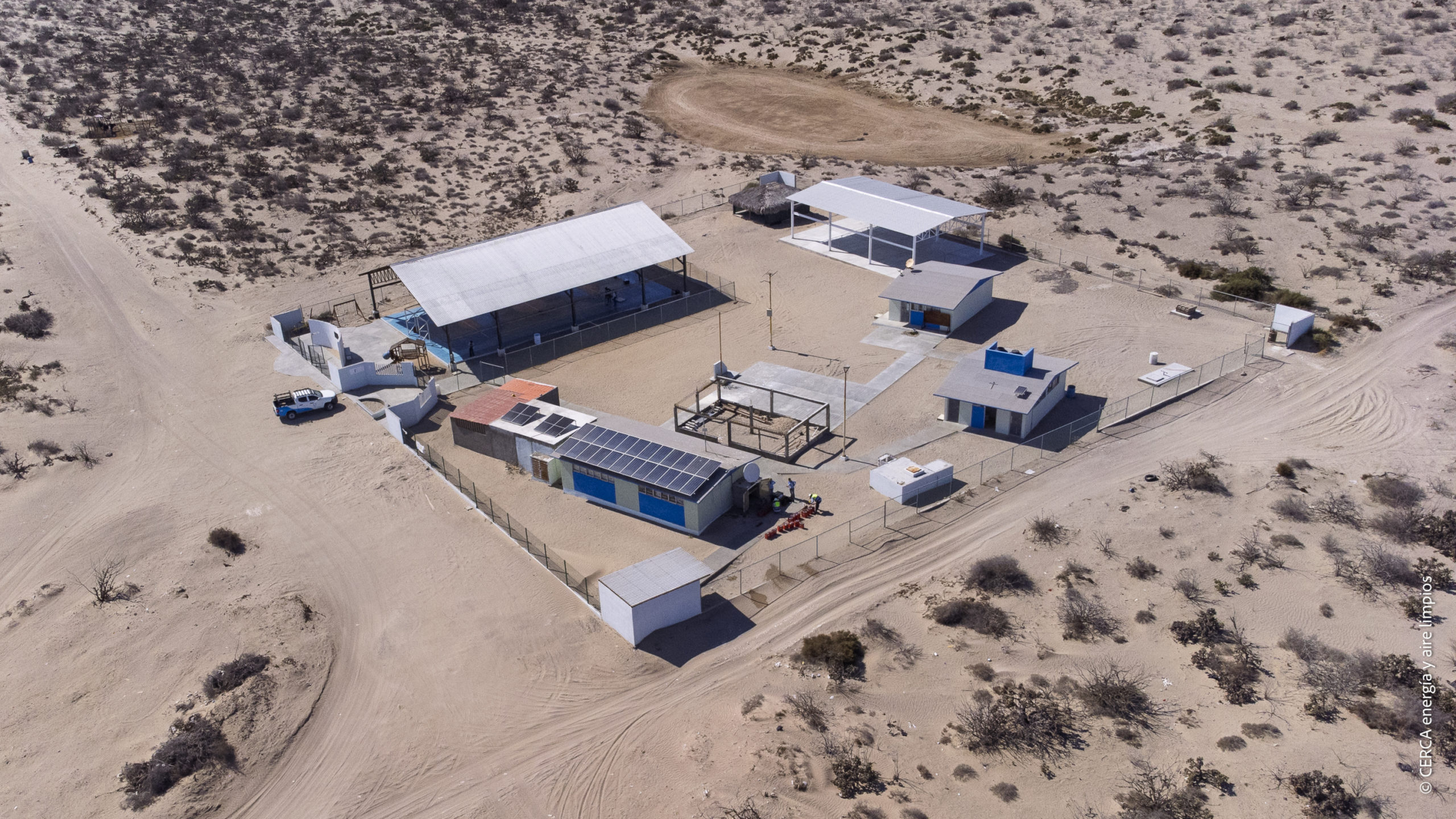
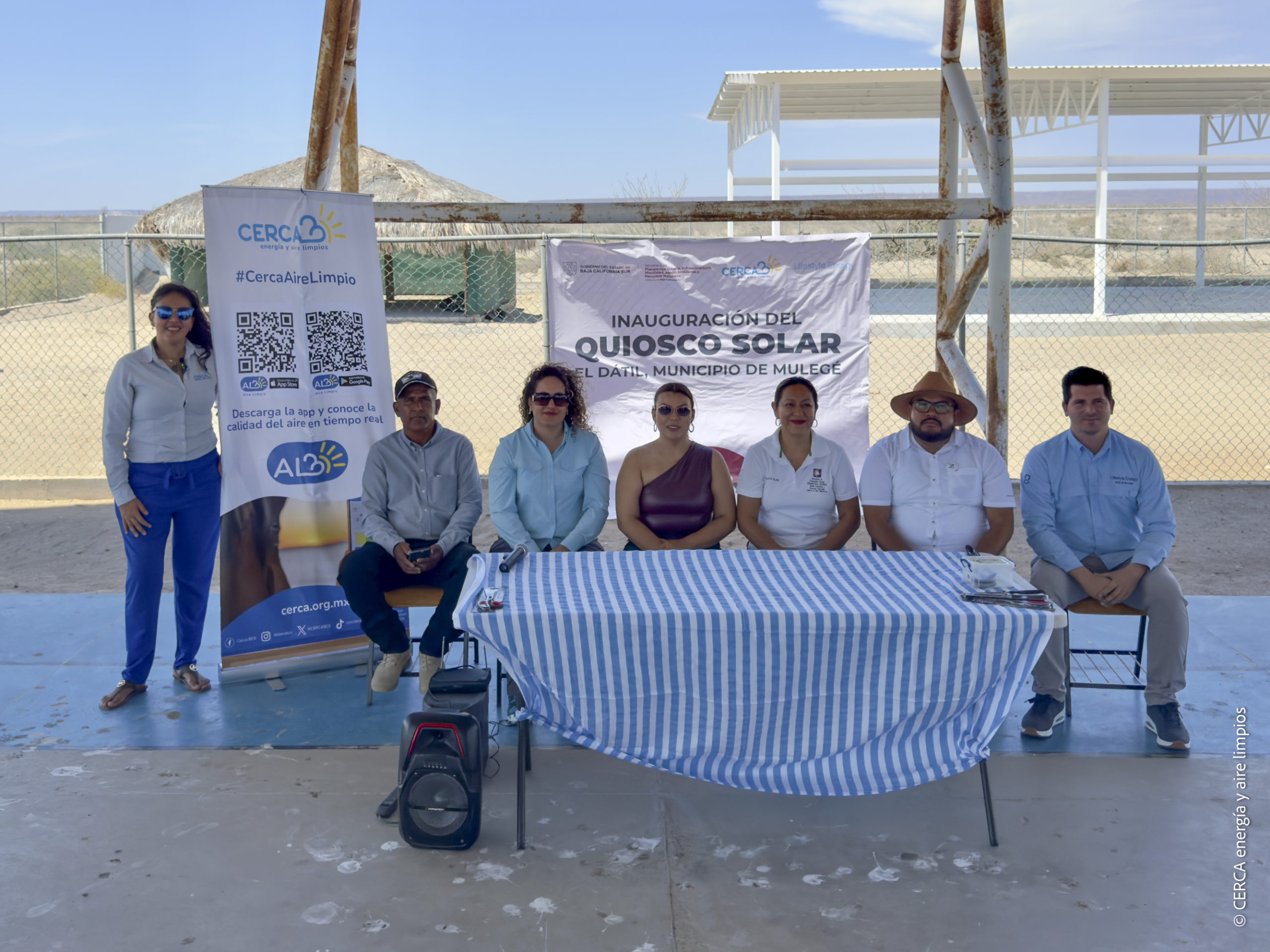
Meanwhile in Mexico, two communities in El Dátil’s desert region welcomed solar-powered kiosks in August 2025. Led by CERCA and supported by Iniciativa Climática de México (ICM), the project replaces costly, polluting diesel generators with clean, consistent solar power that provides essential electricity services in a harsh, off-grid environment. Following this launch, ICM is also working to implement two more kiosks in the communities of La Candelaria and San Luis Gonzaga, expanding access to clean energy across the region.

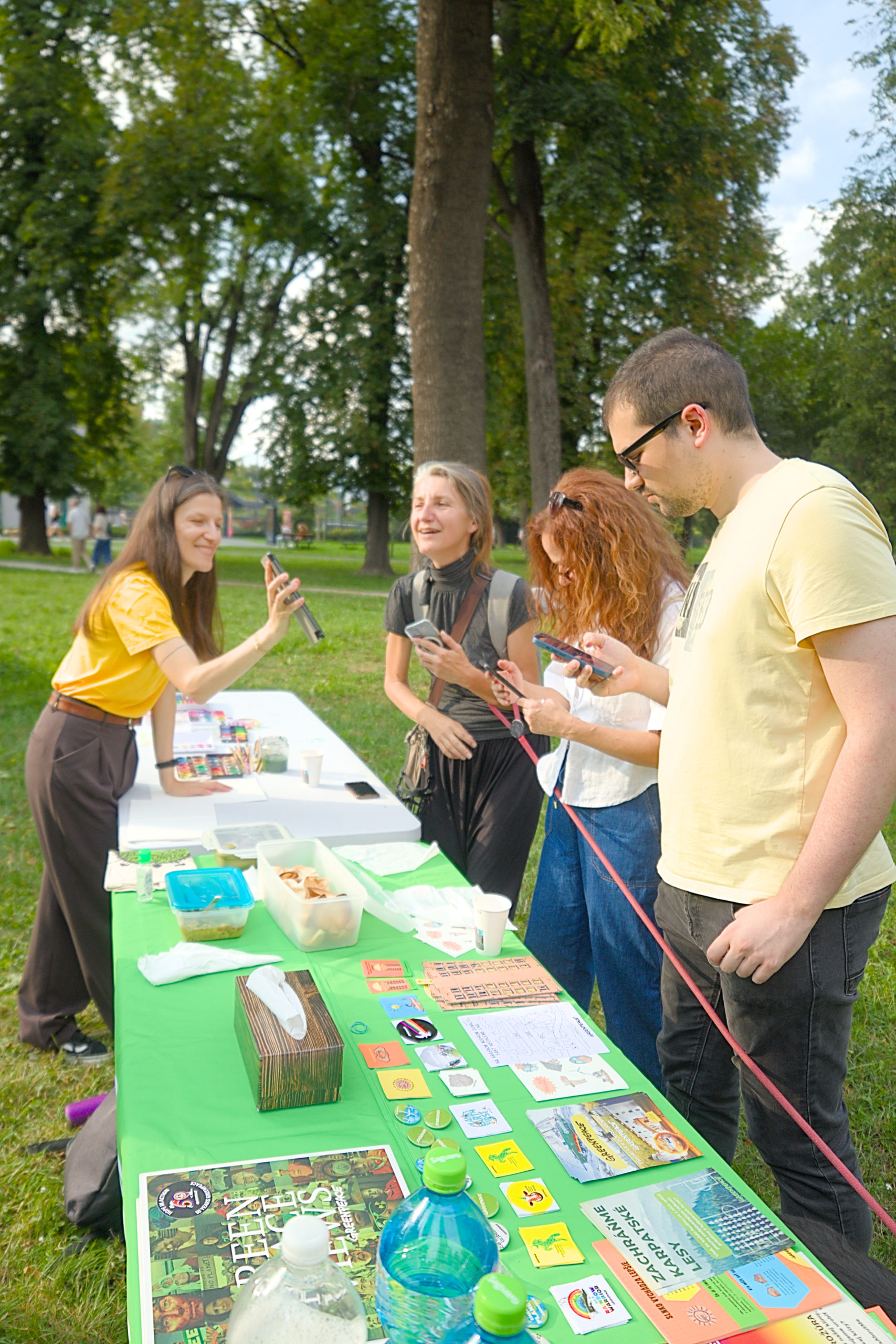
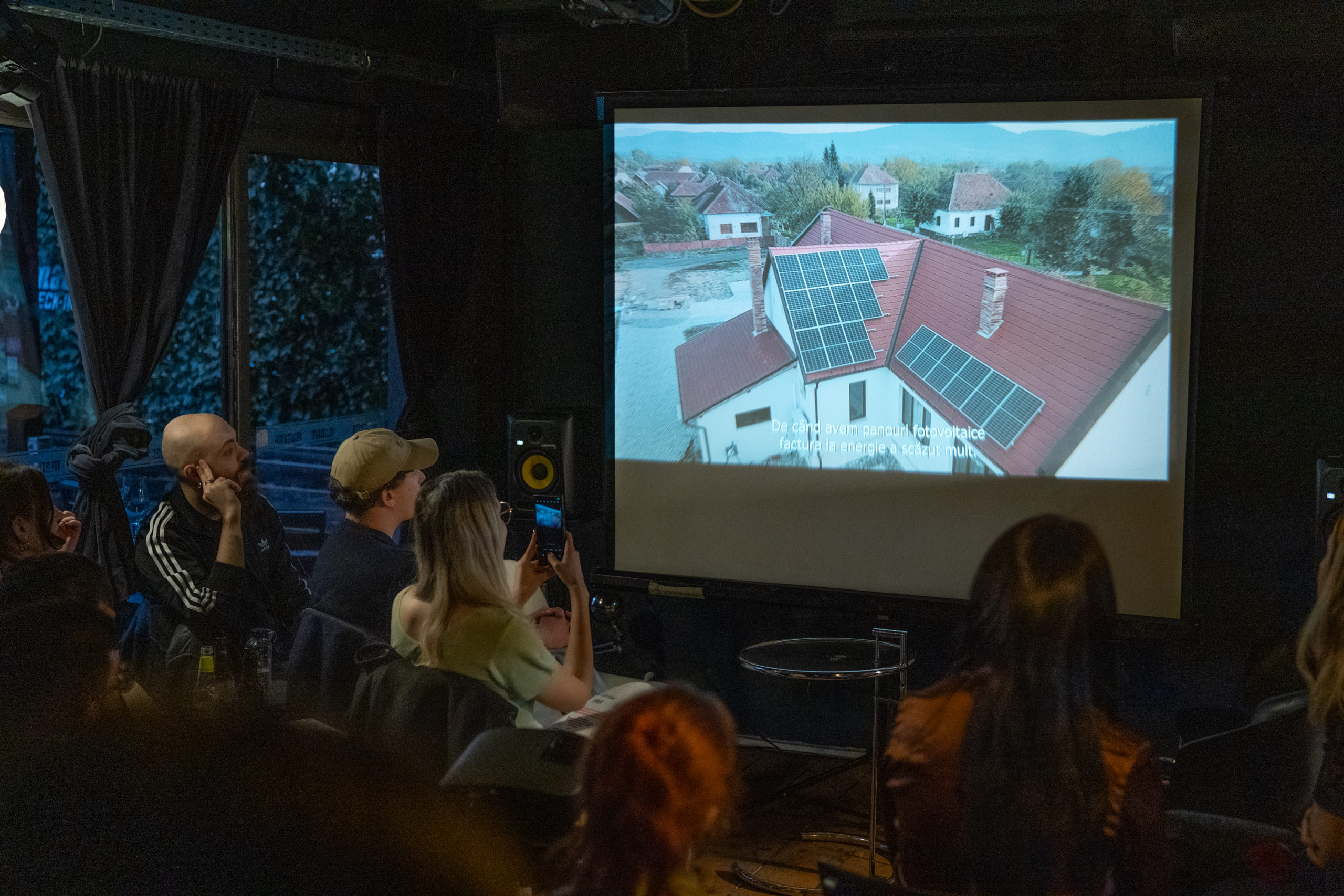
And across Europe, creative outreach and digital innovation are helping people see themselves in the energy transition. With support from the European Climate Foundation, Greenpeace teams in Slovakia and Romania are meeting people where they are and sparking curiosity about shared energy solutions through lively festivals and door-to-door campaigns reaching over 1,300 apartment blocks, raising awareness about energy communities and their benefits. At the same time, new tools like the Coopérnico Communities App are making local collaboration easier by connecting neighbours to co-create, manage, and share renewable energy projects within their communities.

The Impact

Whether it’s connecting neighbours through community energy, integrating solar panels with farming systems, or deploying microgrids in remote villages, these solutions are rooted in local realities and built for long-term impact. In every region where this work is underway, we’re seeing what’s possible when communities reclaim their energy futures.

In Brazil’s Northeast, rural families are turning sunlight into reliable power and opportunity. With agrivoltaics systems now powering homes and irrigating crops, communities are seeing reduced energy costs, improved food and water security, and new income from organic agriculture. Technical training ensures farmers can operate and maintain these systems independently, strengthening local ownership and long-term sustainability.

In Mexico’s Baja California Sur, new solar-powered kiosks are delivering reliable, clean energy for essential services like education and community gatherings These systems replace polluting fuel sources, cutting CO2 emissions, and they serve as a foundation for long-term resilience in one of Mexico’s most energy-challenged regions. More than just infrastructure, the kiosks reflect a shift in how energy access is approached: by building local capacity and encouraging community ownership, the initiative goes beyond restoring energy access and begins to reimagine it.

In Europe, communities are becoming active players in shaping their energy futures. Creative outreach has made energy cooperation tangible and relatable—turning renewable power from an abstract goal into everyday action. By connecting neighbours to produce, store, and share renewable energy, these efforts are helping people lower costs, build trust, and take ownership of their local systems. Together, these efforts are turning energy transition from a distant policy goal into something participatory, practical, and personal.

Until recently, these communities were dependent on unreliable energy sources that placed a heavy economic burden, particularly on rural and historically marginalized groups. Today, thanks to locally grounded efforts people are taking the lead in shaping their own energy futures.

These successes aren’t happening in isolation. They are part of a growing network supported by ReNew2030 and partners, where solutions are tested, shared, and adapted across borders. Peer learning and community-to-community exchange are fuelling a global movement grounded in local impact.

Tags:
Posted in Uncategorised | Comments Off on Powering possibility: How communities are turning the tide on the energy transition